
Shoulder Arthroscopy
Your Complete Guide to Shoulder Arthroscopy Procedures
Shoulder pain keeps you from doing the things you love. It can even prevent you from lifting your arm to grab something off the shelf. If rest and medication don’t resolve the issue, you may have damage deep within the joint. For these circumstances, Texas Institute of Orthopedic Surgery & Sports Medicine performs shoulder arthroscopy procedures. Our team specializes in helping patients regain strength and movement using the latest technology to diagnose and treat injuries.
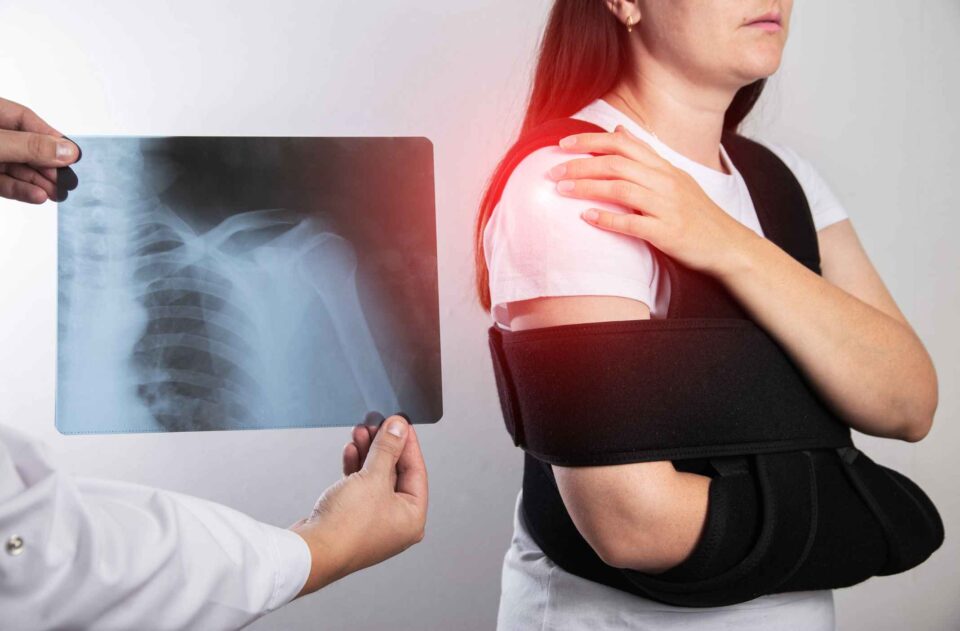
What Is Shoulder Arthroscopy?
Shoulder arthroscopy is a process that allows doctors to examine the inside of your joint to diagnose and treat problems. Unlike open surgery, which uses a large incision, this method requires only small cuts. During the procedure, a surgeon inserts a tiny camera called an arthroscope into your shoulder. This camera is approximately the size of a pencil and sends pictures to a video screen, allowing the surgeon to see inside the shoulder clearly. Upon recognizing internal issues, your surgeon can use small instruments to perform repairs.
Common Conditions Treated With Shoulder Arthroscopy
This type of surgery is very versatile. It can fix many different problems that occur in the shoulder joint. Doctors often recommend it when non-surgical treatments like rest and physical therapy haven’t helped. Here are some of the common conditions treated with shoulder arthroscopy:
- Rotator Cuff Tears – The rotator cuff is a group of muscles and tendons that hold your arm in place. Tears here are a very frequent cause of pain. Rotator cuff repair via shoulder arthroscopy is a standard method for addressing them.
- Impingement Syndrome – This happens when there’s not enough space between the shoulder blade and the rotator cuff. It causes rubbing and pinching.
- Shoulder Instability – If your shoulder feels like it’s sliding out of place or has dislocated, the ligaments might be loose or torn.
- Biceps Tendon Injuries – The tendon that connects your bicep muscle to your shoulder can get frayed or detached.
- Bone Spurs – These are bony growths that rub against tendons and nerves, causing pain.
- Lateral Tears – The labrum is a piece of cartilage that lines the shoulder socket. It helps keep the ball of the joint in place.
Determining Whether You Need a Shoulder Arthroscopy
How do you know if this is the right path for you? Usually, your doctor will start with simpler treatments. They might suggest physical therapy, anti-inflammatory medication, or steroid injections as the first course of action. But if you try these for weeks or months and your shoulder still hurts, surgery may be the answer. After examining your X-rays and MRI scans, a doctor might deem you a good candidate for shoulder arthroscopy if:
- You have pain that keeps you awake at night
- You have weakness in your arm that makes it hard to lift things
- You cannot reach behind your back or over your head
- Your shoulder feels stiff or frozen
Understanding the Shoulder Arthroscopy Procedure
On the day of your surgery, our anesthesia team will give you medicine to make you sleep or numb your arm so that you won’t feel pain during the operation. Then, your surgeon will make a few small buttonhole-sized incisions in your shoulder. They’ll pump fluid into the joint to expand it, giving them room to see and work. Next, they’ll insert an arthroscope.
Once they can see the problem on their screen, your surgeon will insert specialized, tiny instruments through other small cuts. These instruments can cut, grasp, grind, and tie knots. For example, if you need a rotator cuff repair via shoulder arthroscopy, they’ll use these small tools to reattach the torn tendon to the bone.
After fixing the problem, your surgeon will close the small cuts with stitches or special tape before covering the area with a bandage. The entire procedure usually takes less than an hour.
What to Expect During Arthroscopic Shoulder Surgery Recovery
Arthroscopic shoulder surgery recovery varies depending on what was fixed, but most people can go home on the same day. Regardless, it’s important to follow your doctor’s instructions carefully to prevent damaging the completed repairs. Generally, you can expect:
- Pain Management – You may experience some pain and swelling initially. Ice packs and medicine will help. Additionally, sleeping in a recliner for the first few nights will likely be more comfortable than lying flat.
- Wearing a Sling – You’ll probably need to wear a sling to protect your shoulder. Your doctor will advise you how long to wear it.
- Physical Therapy – This is a huge part of recovery. You’ll start with gentle exercises to keep your shoulder moving. Later, you’ll do exercises to build strength.
- Returning to Activities – You can usually do light activities like desk work within a few days. However, full recovery will take anywhere from a few months to a year.
Benefits of Minimally Invasive Shoulder Surgery
Doctors often suggest this method because the benefits of minimally invasive shoulder surgery are significant.
- Less Pain – Because the cuts are small, there’s less trauma to the muscles and skin. This usually means less pain after the operation.
- Lower Risk of Infection – Smaller wounds heal faster and are less likely to get infected.
- Faster Recovery – With less damage to the surrounding tissues, your body can heal quickly.
- Less Scarring – The small incisions leave tiny scars that often fade over time.
- Outpatient Procedure – You don’t have to stay overnight in a hospital. Recover in the comfort of your own home.
Contact Our Experts in Texas Today
If you’re struggling with a shoulder injury that won’t heal, seek help from Texas Institute of Orthopedic Surgery & Sports Medicine. We’ll evaluate your shoulder and determine if arthroscopy is the right choice for you. Contact us today to schedule a consultation.