
Meniscus Repair Surgery
Arthroscopic Meniscus Surgery Guide: Finding Relief and Recovery
A torn meniscus is one of the most common knee injuries, especially for athletes and active adults. But while the pain can be scary, treatment has come a long way. Texas Institute of Orthopedic Surgery & Sports Medicine offers reliable torn meniscus treatment options that help patients walk without pain and even return to competitive sports. Your meniscus is vital to the long-term health of your knee joint, so you can trust our surgeons to use the latest techniques to repair it rather than just removing tissue. We aim to help you regain your strength and mobility at our leading center for advanced knee care in Texas.
What Is Meniscus Repair Surgery?
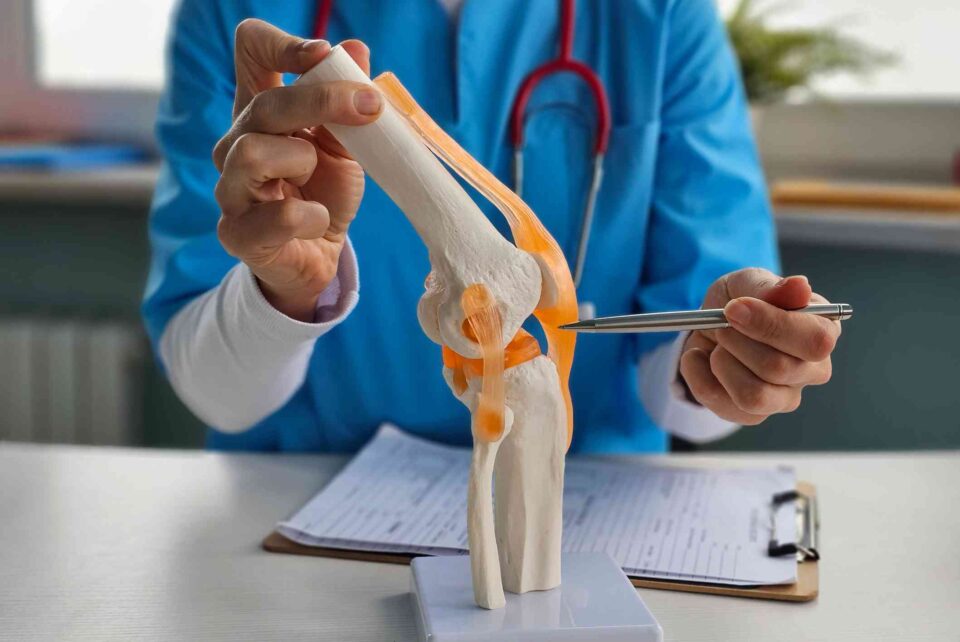
To understand meniscus repair surgery, you must also understand anatomy. You have two C-shaped pieces of cartilage in your knee called the menisci. They act like shock absorbers between your thigh bone and shin bone, keeping your knee stable and cushioning the joint. When you twist your knee forcefully, this cartilage can tear.
Minimally invasive meniscus surgery is often the best way to fix this damage. Doctors usually perform this procedure using arthroscopy, which involves making a few tiny incisions around the knee. They then insert a small camera – called an arthroscope – into one incision, allowing them to see the inside of the knee clearly on a screen. Then, they use small instruments in the other incisions to stitch the torn pieces of cartilage back together.
Types of Torn Meniscus Treatment Options
Not every knee injury requires surgery. Your treatment plan will depend on the size of the tear, its location, and your activity level. Among the most common torn meniscus treatment options are:
Non-Surgical Treatment
For small tears on the outer edge of the meniscus, rest might be enough. This area has a good blood supply, which helps it heal naturally. Your doctor might recommend:
- RICE Protocol – Rest, Ice, Compression, and Elevation should minimize swelling.
- Physical Therapy – Physical therapy exercises can strengthen muscles around the knee.
- Medication – Anti-inflammatory drugs will reduce your pain.
Surgical Treatment
If the tear is large, located in the inner part of the meniscus where blood supply is poor, or causes your knee to lock, surgery is likely necessary.
- Meniscus Repair – A surgeon can stitch the torn edges of the meniscus together. This is the gold standard for preserving knee health.
- Meniscectomy – If the tear cannot be repaired, a surgeon will trim away the damaged cartilage. This is often done for complex tears or in older tissue that won’t heal well.
We’ll Help Determine the Best Solution for You
Deciding on surgery is a big step. Our goal is always to save the meniscus if we can. Keeping that cushion intact lowers your risk of developing arthritis later in life. The team at Texas Institute of Orthopedic Surgery & Sports Medicine will consider the following before making a recommendation:
- Your Age – Younger patients often have healthier tissue that heals better.
- Activity Level – Do you play high-impact sports? If so, repairing the meniscus is crucial for shock absorption.
- Tear Pattern – Simple, clean tears are easier to repair than frayed, complex ones.
- Location – Tears in the outer edge have the highest chance of healing.
Meniscus Repair Recovery Time and Aftercare
Recovery is a team effort among you, your surgeon, and your physical therapist. Because a repair involves stitching tissue that needs to heal, the meniscus repair recovery time is longer than if the tissue was simply removed. However, the long-term benefits are worth the wait. Here’s a general timeline of what to expect:
- Weeks 0-2 – You’ll likely be on crutches. You may wear a brace to keep your leg straight and protect the repair. At this stage, you cannot put full weight on the leg.
- Weeks 2-6 – You might start putting some weight on the leg while wearing a brace. Physical therapy begins with gentle motion exercises.
- Weeks 6-12 – You can usually walk without crutches. Therapy gets more challenging to build strength in your quad and hamstring muscles.
- Months 3-6 – You’ll start doing more active movements like squatting and light jogging.
- Six Months-Plus – Most athletes can return to sports with a doctor’s approval.
Benefits of Meniscus Repair Surgery
If you remove part of the meniscus, you lose your shock absorber, which puts more stress on the bone and cartilage and can lead to arthritis. However, repairing the meniscus offers benefits such as:
- Joint Preservation – It keeps your natural anatomy intact.
- Lower Arthritis Risk – It protects the joint surface from wear and tear.
- Better Stability – A full meniscus keeps the knee stable during sports.
Meniscus repair success rates are generally very high, especially for younger patients with acute injuries. While the recovery takes a few months, preserving your knee for the next several decades is the ultimate goal.
Contact Our Surgeons in Texas Today
If you suspect a meniscus tear or have been dealing with chronic knee issues, don’t wait to seek treatment or meniscus repair surgery at Texas Institute of Orthopedic Surgery & Sports Medicine. Contact us today to schedule a consultation.