
Rotator Cuff Surgery
What You Need to Know About Rotator Cuff Surgery
Rotator cuff injuries can be debilitating. Not only are they painful, but they also affect your ability to perform everyday tasks. For many, rotator cuff surgery offers a path to recovery and a return to normal activities. At Texas Institute of Orthopedic Surgery & Sports Medicine, our rotator cuff repair specialists help patients from all over the DFW area understand their injuries and the procedures that can provide relief. Here’s what you need to know about rotator cuff surgery from our shoulder surgery experts.
What Is the Rotator Cuff?
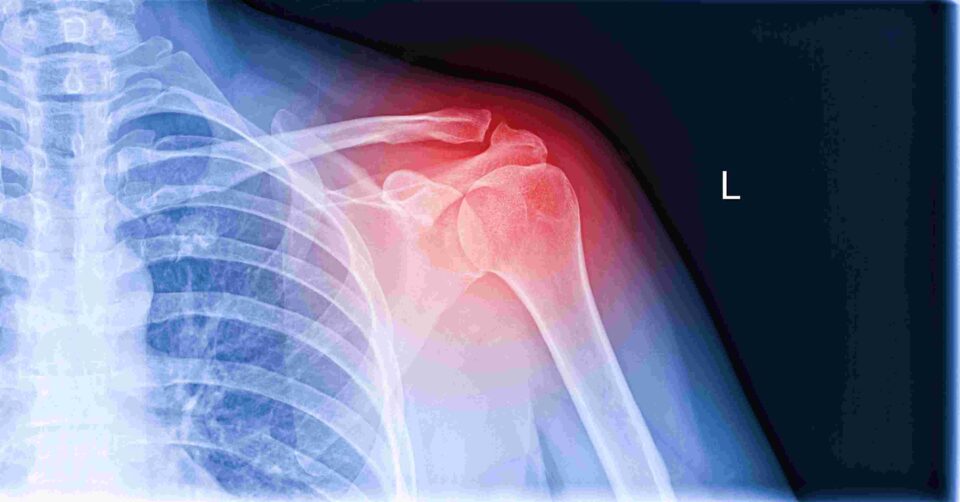
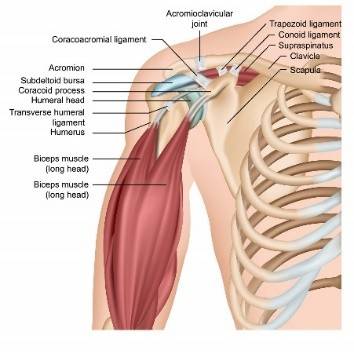
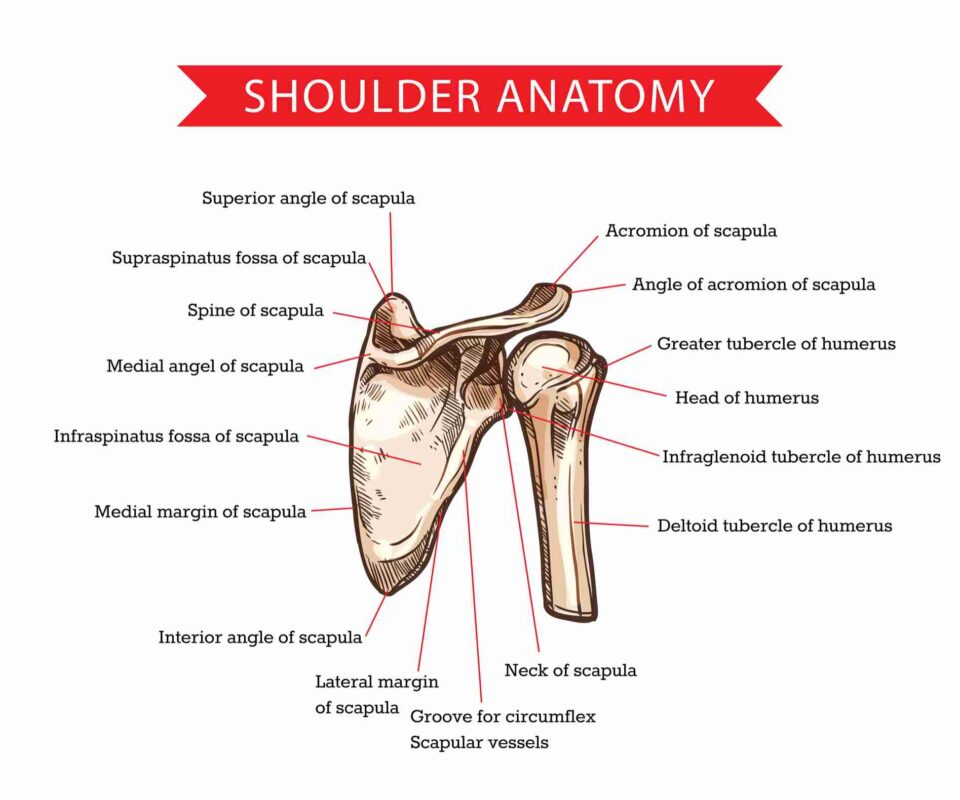
We’ll begin with the basics—understanding the rotator cuff itself. It’s a group of muscles and tendons that stabilize the shoulder joint and allow for a wide range of movements. Rotator cuff strength and flexibility are crucial for activities like throwing, lifting, and even simple gestures like waving. Damage to the rotator cuff is all too common and can result from repetitive stress, sudden injuries, and age-related wear and tear. Be sure to meet with one of our providers if you have the following symptoms:
- Persistent shoulder pain
- Limited range of motion
- Muscle weakness in the shoulder
- Pain that worsens at night
- Inability to perform routine tasks that involve the shoulder
Who Needs Rotator Cuff Surgery?
Not everyone with rotator cuff pain will require minimally invasive shoulder surgery. Mild symptoms often improve with non-surgical treatments like physical therapy, rest, and anti-inflammatory medications. However, surgery may be recommended if you experience severe pain or have a profession that demands heavy shoulder use. Consulting with a top rotator cuff surgeon is the best way to decide whether this procedure makes sense for you.
Types of Rotator Cuff Surgery
Rotator cuff surgery is performed using different techniques tailored to the patient’s specific needs. Here’s a brief overview of the main types:
- Arthroscopic Shoulder Surgery—This procedure is the least invasive option and involves a small camera inserted through tiny incisions. After surgery, patients are left with minimal tissue damage, which often promotes a quicker recovery.
- Mini-Open Repair—This approach combines the benefits of arthroscopy and traditional open surgery. The procedure gives us a comprehensive view of the shoulder while maintaining a minimally invasive approach.
- Open Repair—In cases where the tear is large or complex, open repair might be necessary. This traditional method involves a larger incision, allowing your surgeon direct access to the damaged tissue. While open repair requires a longer recovery, it provides a thorough and effective solution to rotator cuff pain.
Preparing for Arthroscopic Shoulder Surgery
Before deciding on surgery, our rotator cuff repair specialists conduct a thorough pre-operative assessment, including imaging studies to evaluate the depth of the tear. We may recommend blood tests and physical exams as well, should we need more information. Let us know any medications you’ve been taking, and we can determine whether these need to be paused or adjusted. After that, your doctor will tell you how to prepare for the procedure in the days leading up to your surgery.
What to Expect During the Procedure
Our team aims to make rotator cuff tear treatment as stress-free as possible. When you arrive for your procedure, we’ll make every effort to ensure you’re comfortable. The surgery itself typically takes between one to two hours, although this will vary depending on the complexity of your condition. You’ll receive anesthesia to eliminate any pain throughout the operation and have a chance to ask any last-minute questions. Your comfort is one of our top priorities!
What Is Post-Operative Care Like?
After surgery, you’ll spend a few hours in a recovery room while the anesthesia wears off. Most patients go home the same day, but we’ll monitor your condition to ensure no complications. Over the next few weeks, we’ll recommend a combination of these rotator cuff injury recovery methods:
Immobilization
Keeping the shoulder immobilized with a sling is crucial during the initial healing phase. Avoid using your arm for any activities not approved by your surgeon, as this could jeopardize the repair. When in doubt, ask for help with daily activities like cooking and driving.
Rehabilitation and Physical Therapy
Rehabilitation and physical therapy can speed along the recovery process. They will begin soon after surgery and focus on gentle range-of-motion exercises to encourage flexibility. Over time, you may transition to strengthening exercises aimed at restoring muscle balance and function. Adhering to your rehabilitation plan is essential—recovery will require commitment and patience, but the results will be well worth it!
Managing Pain and Discomfort
You might experience some pain and discomfort after rotator cuff tear treatment, but it’s often well-managed with medication. You can also apply ice packs to reduce swelling further. In addition to these pain management techniques, you’ll want to get plenty of sleep, prioritize nutrition, and drink lots of water to support natural healing processes. Don’t be afraid to reach out if you have concerns—our team is always here to help!
How Long Does Recovery Take?
Recovery from rotator cuff surgery is a gradual process that varies from person to person. Most patients can expect to make a full recovery within four to six months, although some may take longer to regain full function. Regular follow-up appointments with your surgeon are vital. They ensure healing is progressing as expected and provide an opportunity to adjust your treatment plan as needed. Here are some tips for a smooth recovery:
- Gradually increase your activity level—be patient with yourself!
- Hold off on doing any strenuous activities until your shoulder is strong and stable.
- Listen to your body. If you are concerned about discomfort, reach out to your care team for help.
- Always follow your surgeon’s recommendations over general advice online.
Minimally Invasive Shoulder Surgery Leads to Top Results
Our rotator cuff repair specialists have a strong track record of success with minimally invasive procedures. In fact, the long-term outlook for patients who undergo rotator cuff surgery is generally positive. Most people experience significant pain relief, improved shoulder function, and a return to their favorite activities. With proper care, the benefits of rotator cuff surgery can last a lifetime, empowering you to live an active and fulfilling life despite an injury.
Among the Best Orthopedic Surgeons for Shoulders in DFW
At Texas Institute of Orthopedic Surgery & Sports Medicine, we’re dedicated to bringing patients best-in-class medical care. Over the years, we’ve seen people from all over the Dallas-Fort Worth Metro Area, and we’d be glad to help you as well. Simply schedule a consultation with one of our orthopedic surgeons to get started. We’re here to guide you toward a pain-free life.