
Subacromial Decompression/Distal Clavicle Excision
Shoulder Pain Relief: Guide to Subacromial Decompression
Shoulder pain can turn simple tasks into big challenges. Some sufferers find it difficult to reach above their head, brush their hair, or get a good night’s sleep. When conservative treatments like rest, ice, and physical therapy don’t work, rely on Texas Institute of Orthopedic Surgery & Sports Medicine for other options. One such solution is subacromial decompression, which can be combined with distal clavicle excision to alleviate shoulder pain. Our surgeons are highly skilled in performing these modern techniques to fix the root cause of pain and help patients regain their strength.
What Is Subacromial Decompression and Distal Clavicle Excision?
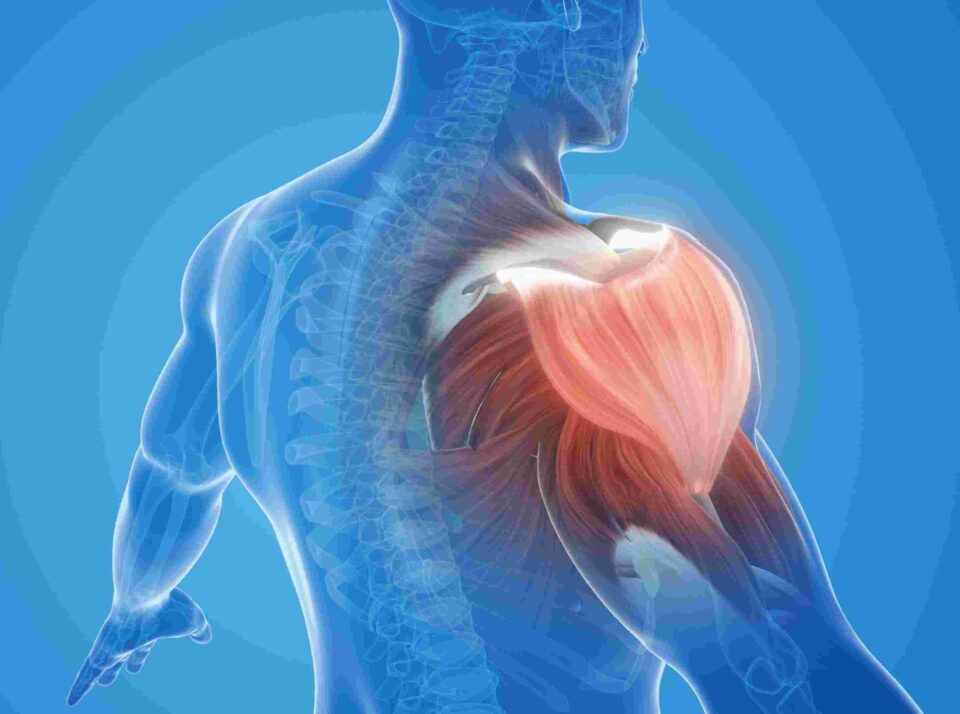
To understand these surgeries, it’s helpful to know a little about how the shoulder is constructed. Your shoulder comprises bones, muscles, and tendons. The rotator cuff is a group of muscles that helps you lift your arm. Above the rotator cuff is a bone called the acromion.
Sometimes, the space between the rotator cuff and the acromion gets too tight. This causes rubbing and pinching, which doctors call impingement.
- Subacromial Decompression – This part of the surgery addresses tightness. The surgeon removes bone spurs or shaves down part of the acromion bone, creating more space for your muscles to move smoothly.
- Distal Clavicle Excision – This procedure focuses on the collarbone. The distal end is the part of the clavicle that meets the shoulder. If this joint has arthritis or is damaged, it causes pain. During an excision, the surgeon removes a small amount of bone from the end of the clavicle to stop the bones from grinding against each other.
Why You May Need This Surgery
Doctors usually suggest distal clavicle excision for shoulder pain when other treatments haven’t worked after several months. Surgery can fix the mechanical problem inside the joint, addressing issues including:
- Shoulder Impingement Syndrome – This happens when the tendons of the rotator cuff are pinched between the arm bone and the top of the shoulder blade.
- Osteoarthritis – This is the “wear and tear” type of arthritis that develops over time. It can cause bone spurs to form, which limit movement.
- Bursitis – The fluid-filled sac that cushions your joint can get swollen and painful due to a lack of space.
What Symptoms Can This Procedure Treat?
The symptoms of shoulder impingement and arthritis can be debilitating. They often start slowly and worsen over time. Shoulder impingement surgical treatment alleviates specific, nagging issues. You may benefit from this procedure if you have:
- Pain With Overhead Activity – Lifting your arm to throw a ball or put away groceries hurts.
- Night Pain – You cannot sleep on the affected side, or a dull ache keeps you awake.
- Loss of Motion – You struggle to reach behind your back.
- Weakness – Your arm feels weaker than usual during daily tasks.
- Grinding Sensations – You feel or hear a clicking or popping noise when moving your shoulder.
What to Expect During a Shoulder Decompression Procedure
Most of the time, this surgery is done arthroscopically. Instead of making a large cut, the surgeon makes a few buttonhole-sized incisions. You can expect:
- Preparation – You’ll be given anesthesia so that you won’t feel anything.
- Scope – The surgeon will insert a small camera into your shoulder. This projects images onto a screen so that the doctor can see inside clearly.
- Repair – Using small surgical instruments, the doctor will remove the inflamed bursa and shave away any bone spurs causing pinching. If you’re having the distal clavicle excision, they’ll also remove the tip of the collarbone, usually about five to 10 millimeters.
- Closure – The tiny incisions are closed with stitches or special tape, and a bandage is applied.
The Subacromial Decompression Surgery Recovery Process
Your subacromial decompression surgery recovery timeline will depend on how much work was done inside your shoulder. But it’s important to be patient. While the structural problem is fixed, our muscles need time to heal and regain strength.
- First Week – You’ll likely wear a sling to keep your arm stable. You can take prescribed medication to manage pain. We also recommend keeping the incision sites clean and dry.
- Physical Therapy – This usually starts within the first week or two. A physical therapist will guide you through gentle exercises.
- Returning to Routine – Most people can do light daily activities within a few weeks. However, lifting heavy things or playing sports will take longer, often a few months.
Arthroscopic Subacromial Decompression Benefits
The outcomes of surgery are often very positive. The arthroscopic subacromial decompression benefits that make it a preferred choice for many patients include:
- Minimal Pain – The primary goal is pain relief. Once healed, the rubbing and pinching are gone.
- Better Movement – Clavicle excisions result in shoulder mobility improvement. Without bone spurs or arthritis blocking the way, your shoulder can move through its full range of motion again.
- Small Scars – Because the cuts are tiny, scarring is minimal compared to open surgery.
- Fast Healing – Arthroscopic surgery disturbs less muscle tissue, often leading to a quicker recovery compared to traditional open surgery.
Contact Our Texas-Based Team
If you’re struggling with daily aches and limited shoulder movement, Texas Institute of Orthopedic Surgery & Sports Medicine will help you find a solution. Our team can evaluate your condition and determine if decompression or excision is right for you. Contact us today to schedule a consultation.