
Lapiplasty
Lapiplasty: A Surgical Approach to Bunion Correction
Bunions are a painful and persistent issue for people throughout the DFW area. Traditional treatments have varied success, and many patients find themselves looking for more effective solutions. Thankfully, the team at Texas Institute of Orthopedic Surgery & Sports Medicine has the knowledge and resources to provide cutting-edge bunion treatment. We offer advanced Lapiplasty surgery and can educate you on preparing and promoting a smooth recovery. Find out if this procedure makes sense for you.
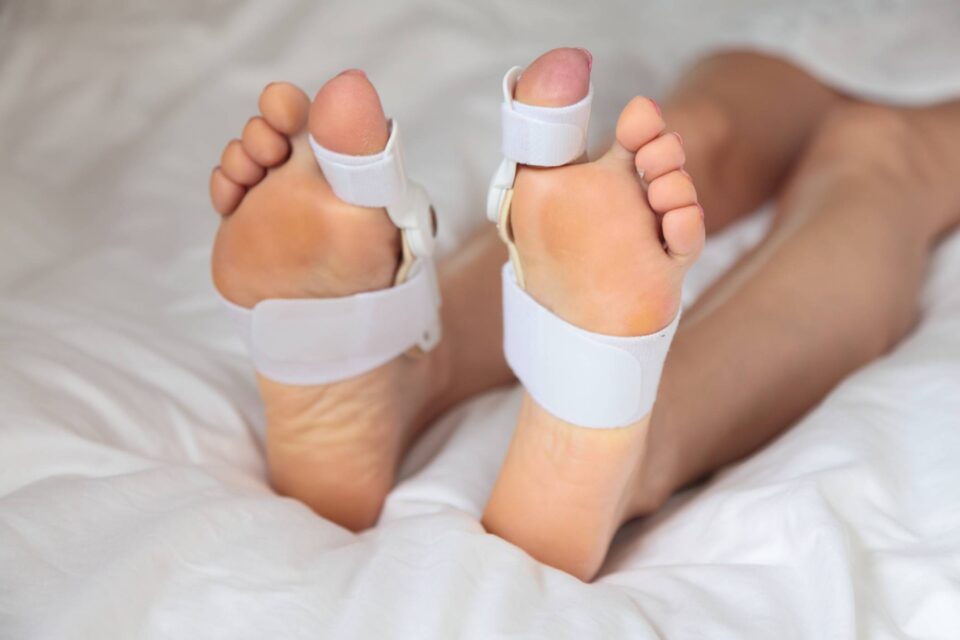
Conservative Bunion Treatments Don’t Always Work
Bunions are bony bumps that form on the joint at the base of the big toe. These protrusions put increased pressure on the foot and lead to misalignment and significant discomfort. While many patients benefit from orthotic devices, specialized footwear, and over-the-counter pain relievers, others don’t find relief. If conservative treatments don’t improve your condition, it may be time to speak with our team—some of the best bunion surgeons in Fort Worth.
What Is Lapiplasty?
Lapiplasty is an innovative foot surgery designed to correct bunions by addressing the root cause rather than just the symptoms. Unlike traditional methods that focus on removing the bump, Lapiplasty works by realigning the metatarsal bone and restoring it to its natural position. The process involves using advanced tools to precisely rotate the bone while keeping it stable. This not only corrects the deformity but also helps prevent recurrence, a common issue with older techniques. Patients often report significant improvements in both foot structure and pain levels following the procedure. If you’ve experienced any of the following symptoms, talk to our top foot and ankle orthopedic surgeons about Lapiplasty:
- A noticeable bump at the base of the big toe
- Swelling and redness around the big toe joint
- Persistent pain or soreness
- Discomfort when walking or wearing shoes
- Crowding or overlapping of toes
- Restricted movement in the big toe
- Stiffness in the toe
Who Can Benefit from Lapiplasty?
Lapiplasty is an excellent option for those with moderate to severe bunions that affect daily activities. Because advanced Lapiplasty surgery addresses the cause instead of the symptoms, it provides a robust solution that minimizes the likelihood of future issues. Keep in mind that not everyone is a candidate for Lapiplasty. Our team will consider factors such as bone health, age, and overall medical condition before proceeding with the surgery.
What to Expect During the Procedure
In most cases, we can perform Lapiplasty on an outpatient basis. This means you can go home on the same day and get back to most of your daily activities. At the beginning of your appointment, we’ll answer any last-minute questions and ensure you have no concerns. Here’s what to expect as the procedure starts:
- Local Anesthetic—We want our patients to feel as little discomfort as possible during surgery. We’ll administer a local anesthetic to minimize pain.
- Small Incision—Surgery begins with a small incision near the affected area. This provides access to the misaligned bone, and your surgeon will use specialized equipment to rotate and stabilize the metatarsal.
- Advanced Imaging—Throughout your minimally invasive bunion surgery, we use advanced imaging technology. These tools guide your surgeon and enhance precision and overall outcomes.
- Suturing—Once your bone has been corrected, we’ll suture the incision closed and apply a protective dressing. The entire procedure should last between 90 minutes and two hours.
- Healing—To jumpstart the healing process, we may fit you with a specialized boot. This footwear protects you during the initial stages of healing.
Getting Ready for Advanced Lapiplasty Surgery
In the days and weeks leading up to your procedure, you can take several measures to prepare and promote success. Before your surgery date, your healthcare team will provide specific instructions tailored to your needs. These may include guidelines on medications, dietary restrictions, and pre-operative tests. We recommend the following for all patients exploring Lapiplasty treatment options:
- Arrange for a friend or family member to pick you up after the procedure.
- Create a comfortable recovery area at home.
- Eat a balanced meal before your surgery.
- Drink plenty of water.
- Get adequate rest in the nights leading up to your Lapiplasty.
Lapiplasty Procedure Experts to Help You Through Recovery
Recovering from Lapiplasty is usually straightforward, with most patients experiencing minimal discomfort. Initially, you’ll need to keep weight off the affected foot, and we may recommend crutches or a knee scooter to aid mobility. This phase usually lasts a few weeks but can vary depending on your surgeon’s recommendations. Gradually, you’ll transition to partial weight-bearing and eventually work up to full activity. For some patients, physical therapy can be very helpful in regaining strength and flexibility. To promote recovery at home, keep your foot elevated and take prescribed medications as directed.
Are There Complications to Lapiplasty?
Lapiplasty is a safe way to remove bunions. However, like any surgical procedure, it comes with a few risks. In rare cases, patients experience infection, nerve damage, or complications related to anesthesia. Nevertheless, rest assured our Lapiplasty procedure experts take every precaution to minimize these risks.
Why Follow-Up Care Is Essential
The work isn’t done after surgery! Regular follow-up care is critical for a positive outcome. Schedule follow-up appointments with your bunion correction specialist, during which they can assess your healing progress, adjust your recovery plan, and address any concerns that may arise. This is your opportunity to discuss any discomfort or challenges you may be experiencing and find effective solutions. The team at Texas Institute of Orthopedic Surgery & Sports Medicine is here for you, even once the surgery is over.
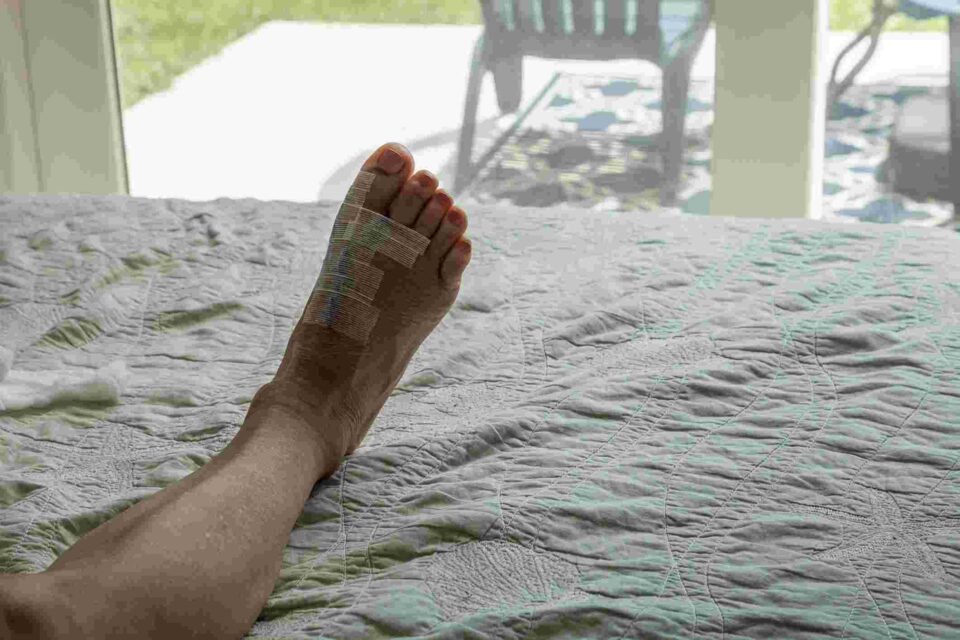
Enhance Your Outcome With Lifestyle Changes
Adopting certain lifestyle changes can enhance the long-term success of your Lapiplasty surgery. Here are our tips for living healthily after bunion surgery:
- Exercise Regularly—Choose exercises that promote flexibility and strength in the feet, as regular movement can prevent recurrence and improve overall foot health. If you work with a physical therapist, they can recommend specific exercises to meet your needs.
- Wear Appropriate Footwear—Opt for shoes that offer adequate arch support and accommodate your foot shape. When possible, avoid high heels and narrow-toed shoes.
- Work Toward a Healthy Weight—Excess weight can place additional stress on the feet, potentially impacting the results of your surgery. A balanced diet combined with frequent, low-impact exercise can help you manage your weight effectively.
Meet With a Bunion Correction Specialist Today
While bunions don’t seem like a severe foot condition, they can cause immense pain if left untreated. Fortunately, the team at Texas Institute of Orthopedic Surgery & Sports Medicine is here for you. Our foot and ankle specialists will take a look at your condition and recommend the best approach to treatment. If Lapiplasty makes sense for you, we’ll guide you through the process. Contact us today to request an appointment and start on the road to recovery.