
Foot & Ankle Surgeries
Foot and Ankle Surgery in DFW
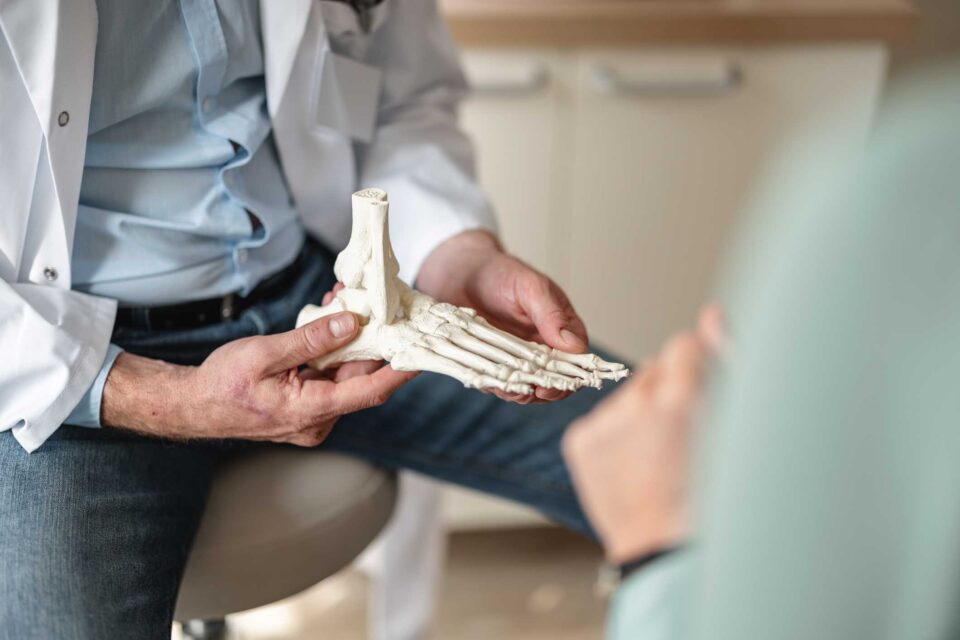
Your feet and ankles aren’t something you think about until they hurt. Then it’s all you think about. Suddenly, stairs feel like mountains. A short walk feels like a marathon. And running? Forget about it. At TiOS, we help people all over the DFW area get back on their feet. Learn more about the common foot and ankle surgeries we perform.
Ankle Arthroscopy
Ankle arthroscopy is a minimally invasive surgery that allows our specialists to inspect and treat problems within the ankle joint. Using small incisions and a camera (arthroscope), our surgeons can diagnose and repair issues such as:
- Torn cartilage or ligaments
- Bone spurs
- Joint infections
- Synovitis (inflammation of the lining of the joint)
Why it’s needed: This procedure is often used to treat chronic ankle pain, instability, or injuries that don’t improve with non-surgical treatments. By using arthroscopy, we can achieve faster recovery times, minimal scarring, and reduced post-operative pain.
Ankle Fusion (Arthrodesis)
Ankle fusion is an effective solution for patients with severe arthritis, joint instability, or deformities that cannot be corrected with non-surgical methods. This procedure involves removing the damaged cartilage and fusing the bones in the ankle joint together.
Why it’s needed: If arthritis, fractures, or other injuries cause excessive pain and loss of function, ankle fusion can relieve pain and restore mobility, allowing the foot to become stable and functional once again.
Achilles Tendon Repair
The Achilles tendon connects the calf muscles to the heel bone, and injuries to this tendon can be debilitating. Ruptures or tears typically occur in active individuals, particularly athletes. Achilles tendon repair surgery involves stitching the torn ends of the tendon back together or using grafts to reattach the tendon if necessary.
Why it’s needed: Achilles tendon injuries, especially ruptures, can lead to significant pain and difficulty walking. Surgery restores the tendon’s integrity and function, allowing patients to return to activity and prevent long-term disability.
Plantar Fasciitis Surgery
Plantar fasciitis is a common cause of heel pain, especially for individuals who spend much time on their feet. If conservative treatments such as rest, physical therapy, and injections do not alleviate the pain, surgery may be necessary. The goal of plantar fasciitis surgery is to release or remove part of the plantar fascia (the ligament that runs along the bottom of the foot) to relieve tension and reduce inflammation.
Why it’s needed: Chronic pain from plantar fasciitis can significantly affect walking and quality of life. Surgery is typically considered a last resort after non-surgical options have failed to provide relief.
Bunion Surgery (Bunionectomy)
A bunion is a bony bump that forms on the side of the big toe, often causing pain, swelling, and deformity. Bunion surgery is performed to remove the bump and realign the toe bones. Various techniques, such as osteotomy (cutting and repositioning the bones), may be used depending on the severity of the bunion.
Why it’s needed: When bunions cause chronic pain or difficulty with movement, surgery is often necessary to correct the deformity and alleviate symptoms. This procedure can significantly improve comfort, especially for those wearing tight-fitting shoes or difficulty walking.
Foot and Ankle Fracture Repair
Fractures of the foot and ankle are common, especially in sports injuries or traumatic accidents. Surgery may be required to stabilize broken bones using plates, screws, or rods, depending on the location and severity of the fracture.
Why it’s needed: Surgical repair is essential to ensure proper healing and alignment of the bones. This helps restore mobility, prevent long-term deformities, and reduce the risk of arthritis or other complications.
Flat Foot Reconstruction
Flat feet (or fallen arches) occur when the arches of the feet collapse, leading to pain and difficulty walking. Flat foot reconstruction surgery aims to restore the typical foot structure, relieve pain, and improve function. This may involve tendon lengthening, bone realignment, or implants to support the foot’s arch.
Why it’s needed: Severe cases of flat feet can lead to chronic pain, particularly in the arch, heel, or lower leg. Reconstruction surgery provides a solution for those whose symptoms are not managed by orthotics or other non-surgical interventions.
Freiberg’s Disease Surgery
Freiberg’s disease is a rare condition that affects the metatarsal bones of the foot, leading to pain, swelling, and limited movement. Surgical intervention, such as removing damaged bone tissue or realigning the affected bones, can relieve symptoms and prevent further degeneration.
Why it’s needed: If nonsurgical treatments such as rest, physical therapy, and custom orthotics do not relieve symptoms, surgery may be the best option to avoid further joint damage and restore foot function.
Peroneal Tendon Surgery
The peroneal tendons stabilize the foot and ankle during movement. Injury to these tendons, whether from chronic overuse or acute trauma, can lead to instability and pain. Surgery is sometimes required to repair or reconstruct damaged peroneal tendons.
Why it’s needed: Persistent tendon injuries can result in chronic pain and ankle instability. Surgical repair or reconstruction can restore the tendon’s strength and stability, allowing for a return to regular activity.
Sports injury foot and ankle treatments
As specialists in sports medicine, we are well-equipped to handle foot and ankle injuries related to athletics. We offer advanced surgical techniques to treat various sports injuries, whether a stress fracture, ligament tear, or tendonitis. Our sports injury foot and ankle care focuses on preserving strength, flexibility, and range of motion. Our treatments support a full recovery, faster healing times, less downtime, and physical therapists who will build a rehab plan around your goals. Whether through precise surgery, regenerative medicine, or a customized rehabilitation plan, we’re here to help you get back in the game.
Why it’s needed: Some injuries won’t heal with rest alone, and when pain or instability lingers, the proper care can make all the difference. Our sports injury foot and ankle treatments are designed to not only fix the problem but also help you come back stronger and prevent future injuries.
What Conditions Lead to Foot & Ankle Surgery?
While surgery is never the first option, certain conditions and injuries may require it when conservative treatments don’t provide relief. Customer satisfaction is important to us. We want to make sure you get the relief you were looking for when you come to us. Common reasons people come to us for advanced foot and ankle surgical care include:
- Sports injuries (sprains, fractures, ligament tears)
- Chronic instability or repeated ankle sprains
- Severe bunions or hammertoes
- Advanced arthritis or cartilage damage
- Achilles tendon ruptures
- Heel pain (plantar fasciitis)
- Foot deformities (flatfoot, cavus foot)
- Complex fractures that won’t heal properly without surgery
Recovery & Follow-Up Care
Recovery looks different for every procedure and patient, but one thing remains the same: we’re here to support you from start to finish. After surgery, we’ll give you detailed instructions on how to protect your foot or ankle, when you can bear weight, and how to manage discomfort.
We’ll also guide you through physical therapy, home exercises, and a gradual return to activities. Our goal is to help you get back to doing what you love without pain holding you back.
See a Grapevine Foot and Ankle Surgeon Today
If you’ve been dealing with foot or ankle pain, sports injuries, or chronic conditions that won’t improve, don’t wait. The team at TiOS provides expert Foot and Ankle Surgery in DFW, with flexible scheduling, quick appointments, and care that puts you first.
Call us today or book online to see one of our orthopedic foot and ankle specialists. We serve Grapevine, Southlake, Keller, Fort Worth, Plano, Frisco, and DFW Metroplex. Getting back on your feet starts here.