
What Is Platelet-Rich Plasma (PRP) and How Does It Help?
Platelet rich plasma therapy is a treatment that uses your body’s own healing properties to support recovery. Whether you’re dealing with joint pain, tendon injuries, or slow healing, a platelet rich plasma injection may help improve outcomes without more invasive procedures. This approach has become more common in orthopedic care because it focuses on natural healing rather than just symptom relief.
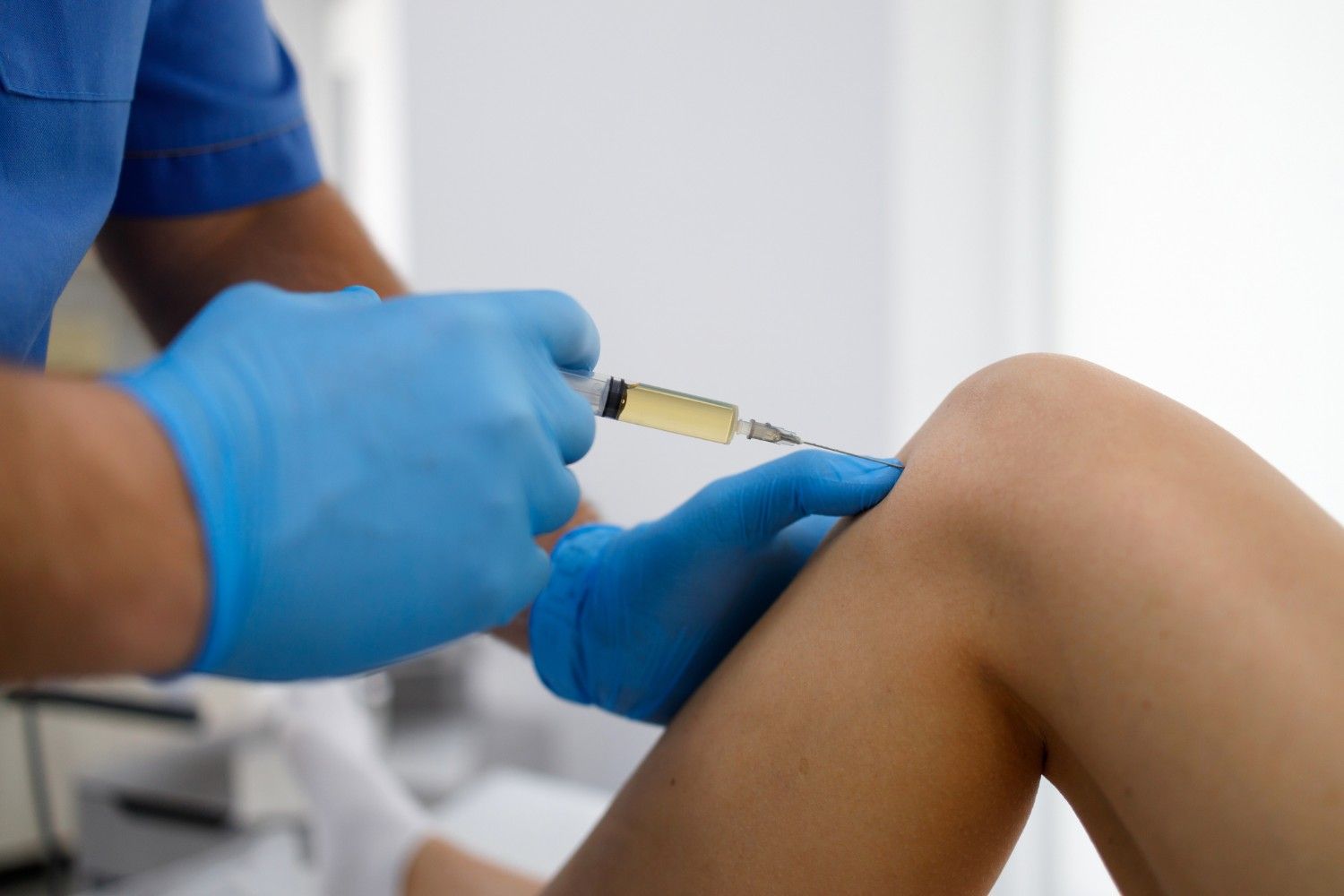
What Is Platelet-Rich Plasma (PRP)?
Platelet-rich plasma is a concentration of platelets taken from your own blood. Platelets are best known for helping your blood clot, but they also contain growth factors that play a key role in healing.
In platelet rich plasma therapy, these platelets are isolated and then reintroduced into the injured area. The goal is to support tissue repair and improve the body’s natural recovery process.
How Is PRP Prepared?
The preparation process is straightforward and typically done in a clinical setting. It starts with a simple blood draw. From there, the process includes the following steps:
- A small sample of your blood is collected
- The sample is placed in a centrifuge to separate the components
- Platelet-rich plasma is isolated from other blood components
- The concentrated PRP is prepared for injection
Because the material comes from your own body, the risk of adverse reaction is low.
How Does PRP Therapy Work?
Once the platelet-rich plasma is injected into the targeted area, it releases growth factors that help stimulate healing. This can improve tissue repair and reduce inflammation over time.
PRP therapy is often used in areas where healing is slow, such as tendons and joints. Instead of masking pain, it works to support the underlying healing process.
Results can vary, but many patients notice gradual improvement as the body responds to the treatment.
Conditions Treated With PRP Therapy
Platelet rich plasma therapy is used to treat a variety of orthopedic conditions. It is especially helpful for injuries related to overuse or slow healing. Common conditions include:
- Tendon injuries
- Ligament strains
- Joint pain and inflammation
- Sports-related injuries
- Soft tissue injuries
PRP may be recommended when other non-surgical treatments have not provided enough relief.
Benefits of PRP Treatment
One of the main reasons patients consider PRP is its ability to support healing using the body’s own resources. It offers a different approach compared to traditional treatments. Key benefits include:
- Uses your body’s natural healing process
- Minimally invasive compared to surgery
- May reduce inflammation and pain
- Can improve recovery time for certain conditions
- Low risk of allergic reaction since it uses your own blood
For many patients, this makes platelet rich plasma therapy an appealing option.
What to Expect During a PRP Procedure
Understanding the process can help you feel more comfortable before treatment. A typical platelet rich plasma injection is done in an outpatient setting. During the procedure:
- Blood is drawn and processed to create PRP
- The treatment area is prepared
- The PRP is injected into the targeted tissue
The entire process usually takes about an hour. Some patients may experience mild soreness afterward, but downtime is generally minimal.
When Should You Consider PRP Therapy?
PRP therapy may be worth considering if you have ongoing pain or an injury that has not improved with standard treatment. It is often used before turning to more invasive options. You may benefit from PRP if:
- You have a chronic tendon or joint issue
- You want to avoid or delay surgery
- Other treatments have not been effective
- You are looking for a minimally invasive option
A proper evaluation can help determine if this treatment is right for your specific condition.
FAQ About PRP Therapy
If you’re considering platelet rich plasma therapy, it’s normal to have questions about how it works and what to expect.
Results vary, but many patients begin to notice improvement within a few weeks as healing progresses.
Yes. Because the treatment uses your own blood, the risk of complications is low.
Costs can vary depending on the condition being treated and the number of injections needed. A consultation can provide a more accurate estimate.
Some patients benefit from a single injection, while others may need a series of treatments for optimal results.
Most patients return to normal activities within a short period, although some temporary soreness is expected.
Learn More About PRP Treatment Options
Platelet rich plasma therapy offers a practical option for patients looking to support healing and reduce pain without surgery. By using your body’s own resources, this treatment focuses on long-term recovery rather than short-term relief.
If you’re considering PRP or want to learn more about your options, contact our team today. We can help you decide if platelet-rich plasma treatment is the right fit for your needs.