
Spring & Summer Injury Prevention
Spring & Summer Injury Prevention Tips
As temperatures rise and activity levels increase, the risk of injury tends to go up as well. Understanding how to prevent sports injuries during the spring and summer months can help you stay active without setbacks. Whether you’re getting back into a routine or increasing your training, focusing on sports injury prevention is key to maintaining performance and avoiding unnecessary downtime.
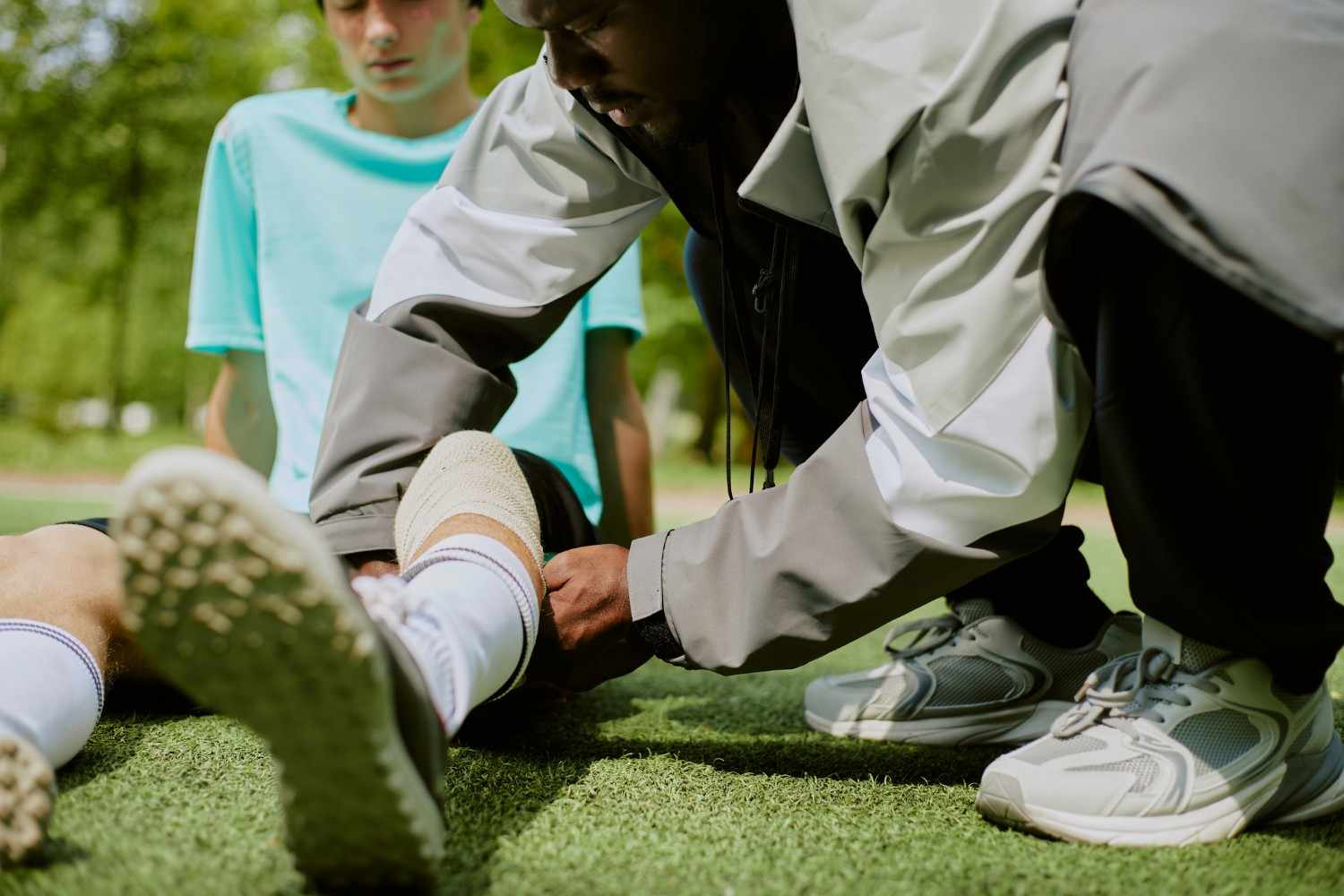
Why Injuries Increase During Spring & Summer
Seasonal changes often bring a sudden increase in physical activity. After a slower winter period, many people jump back into sports, running, or outdoor workouts without proper preparation.
This shift can place added stress on muscles and joints that are not fully conditioned. Warmer weather can also lead to fatigue and dehydration, both of which increase the likelihood of injury. Without proper planning, even simple activities can lead to strains, sprains, or overuse issues.
Common Spring & Summer Injuries
Certain injuries tend to appear more frequently during warmer months. These are often linked to overuse, improper technique, or lack of conditioning. Some of the most common include:
- Muscle strains and ligament sprains
- Tendonitis from repetitive motion
- Joint pain caused by increased activity
- Overuse injuries from running or sports
- Acute injuries from sudden movements or impact
Recognizing these risks is the first step toward effective injury prevention in sports.
Warm-Up & Cool-Down: The Foundation of Injury Prevention
A proper warm-up prepares your body for movement, while a cool-down helps it recover. Skipping either step can increase your risk of injury.
A good warm-up should gradually raise your heart rate and loosen your muscles. This can include light cardio and dynamic stretching. Cooling down after activity helps reduce stiffness and supports recovery. Making these steps part of your routine is one of the simplest ways to prevent injuries in sports.
Exercise & Training Safety Tips
Training smart is just as important as training hard. Pushing too far too quickly is one of the most common causes of injury. To reduce your risk, focus on the following:
- Increase intensity gradually instead of all at once
- Use proper form during all exercises
- Incorporate rest days into your routine
- Wear appropriate footwear and equipment
- Listen to your body and avoid pushing through pain
These sports injury prevention tips can help you stay consistent without setbacks.
Hydration & Nutrition for Injury Prevention
Hydration plays a major role in muscle function and overall performance. When your body is dehydrated, muscles fatigue more quickly, increasing the risk of strains and cramps.
Proper nutrition also supports recovery and helps maintain energy levels. A balanced diet with adequate protein, carbohydrates, and essential nutrients can improve your body’s ability to handle physical stress. Together, hydration and nutrition form a key part of sports medicine injury prevention.
Injury Prevention Tips for Popular Summer Activities
Different activities come with different risks, so it’s important to adjust your approach based on what you’re doing.
- For running, focus on proper footwear and gradual mileage increases.
- For team sports, emphasize warm-ups and communication to avoid collisions.
- For outdoor workouts, be mindful of heat and take breaks when needed.
- For recreational activities, such as hiking or cycling, pace yourself and stay aware of your surroundings.
Adapting your habits to each activity can help reduce the chance of injury.
Recovery & Rest: Preventing Overuse Injuries
Recovery is often overlooked, but it plays a critical role in preventing injuries. Without enough rest, your body does not have time to repair and rebuild.
Overuse injuries develop when the same muscles and joints are stressed repeatedly without adequate recovery. This can lead to chronic pain and longer recovery times.
To avoid this, make rest part of your routine. Alternate between different types of workouts, prioritize sleep, and allow your body time to recover between sessions.
FAQ About Sports Injury Prevention
If you’re trying to stay active without getting injured, you probably have a few questions about what works and what to avoid.
The most effective approach combines proper warm-ups, gradual training progression, and consistent recovery habits.
Signs include persistent soreness, fatigue, reduced performance, and increased risk of injury.
Yes. Dynamic stretching before activity and static stretching after can help improve flexibility and reduce injury risk.
Rest is essential. Without it, your body cannot recover properly, increasing the chance of overuse injuries.
Yes. Proper hydration supports muscle function and helps reduce fatigue, which lowers injury risk.
Stay Active With Smart Injury Prevention
Staying active during the spring and summer months should feel rewarding, not frustrating. By focusing on how to prevent injuries in sports, you can maintain your routine and avoid unnecessary setbacks.
If you’re dealing with pain or want guidance on sports injury prevention, professional care can help you stay on track. Contact our team today to learn more about treatment and prevention strategies that support long-term performance.